
The Odoriko Trail
踊子歩道
-
Distance: 22km
Uphill: 505m
Downhill: 775m
Level: 3/5 - Moderate. Excellent fitness is required. The terrain is easy and in excellent condition, however the distance is the hardest thing about the hike. If you cut it down to match your ability, this becomes an easier hike.
Highlights:
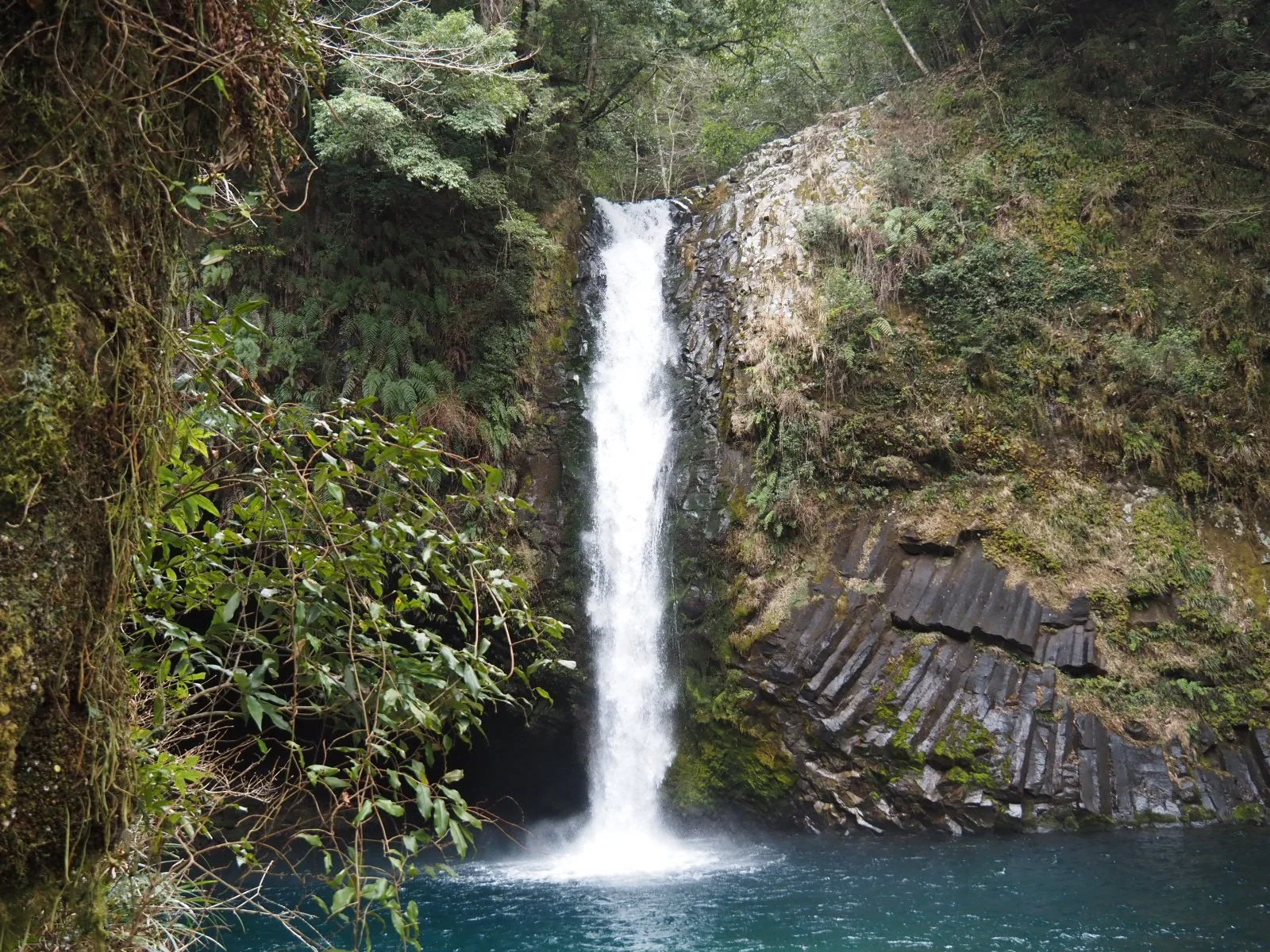
Waterfalls: Expect an unbelievable amount of incredible waterfalls. There are the 7 waterfalls, otherwise known as the Nanadaru. But there are also Joren Falls at the start and others along the way.
Old Amagi Tunnel: A national treasure and a really atmospheric section of the hike.
Quiet: Despite the hike's lofty literary status, you won’t find many people around on the trails. The forests are very old and very beautiful here too.
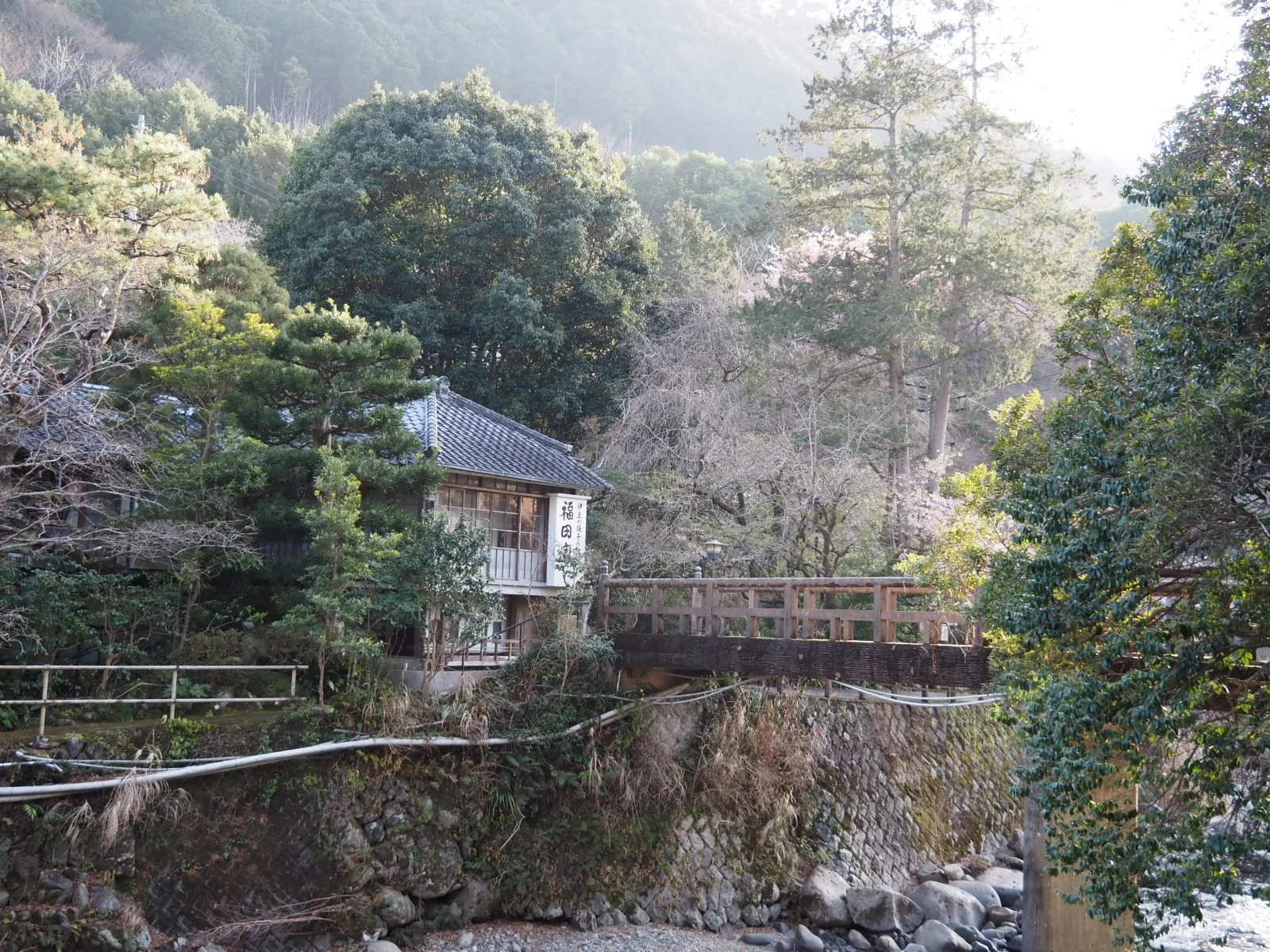
Village life: At the very end of the hike is a beautiful historical section leading to Yugano Onsen. This little village is absolutely picturesque and makes you feel like you are back in the 1920s in the novel itself.
Points of Caution:
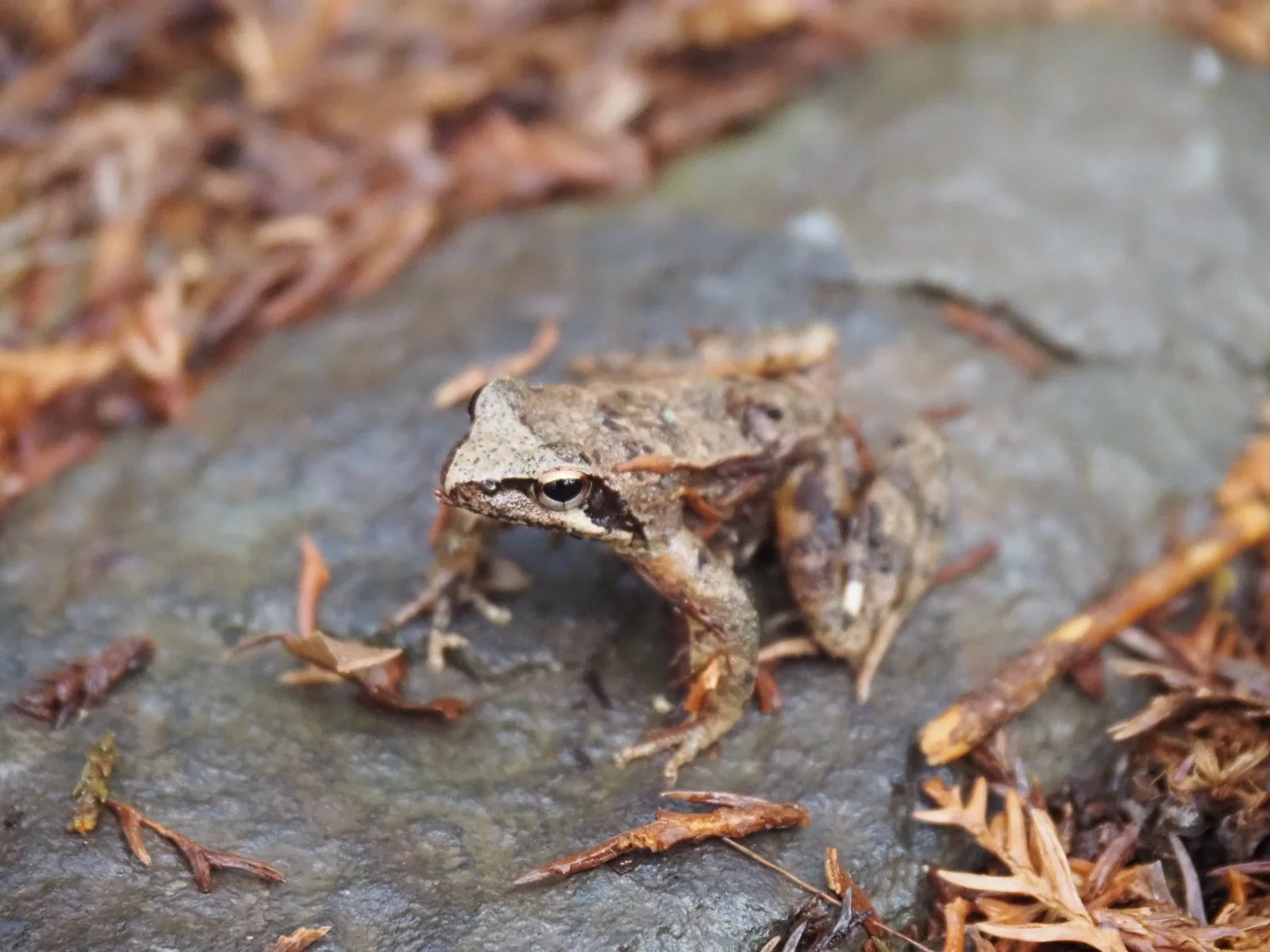
Animals: A few creatures to be wary of: look out for venomous snakes. Be mindful of the mamushi (Japanese pit viper) on the trails. There are also wild boar though you are unlikely to see them in the daytime. There is also a small chance of seeing bears in this region. Though the chances are minimal, carrying a bell is good practice. There could also be leeches though these are not dangerous.
Distance and buses: As the hike is long, watch that you don’t overdo it. The buses are infrequent and do not run late, so make sure you get yourself to a bus stop in time to get back.
Signposts: For most of the hike, the signposts are excellent and very reliable. However, after the Nanadaru Seven Waterfalls, the signposts suddenly stop and the final part becomes very difficult to follow.
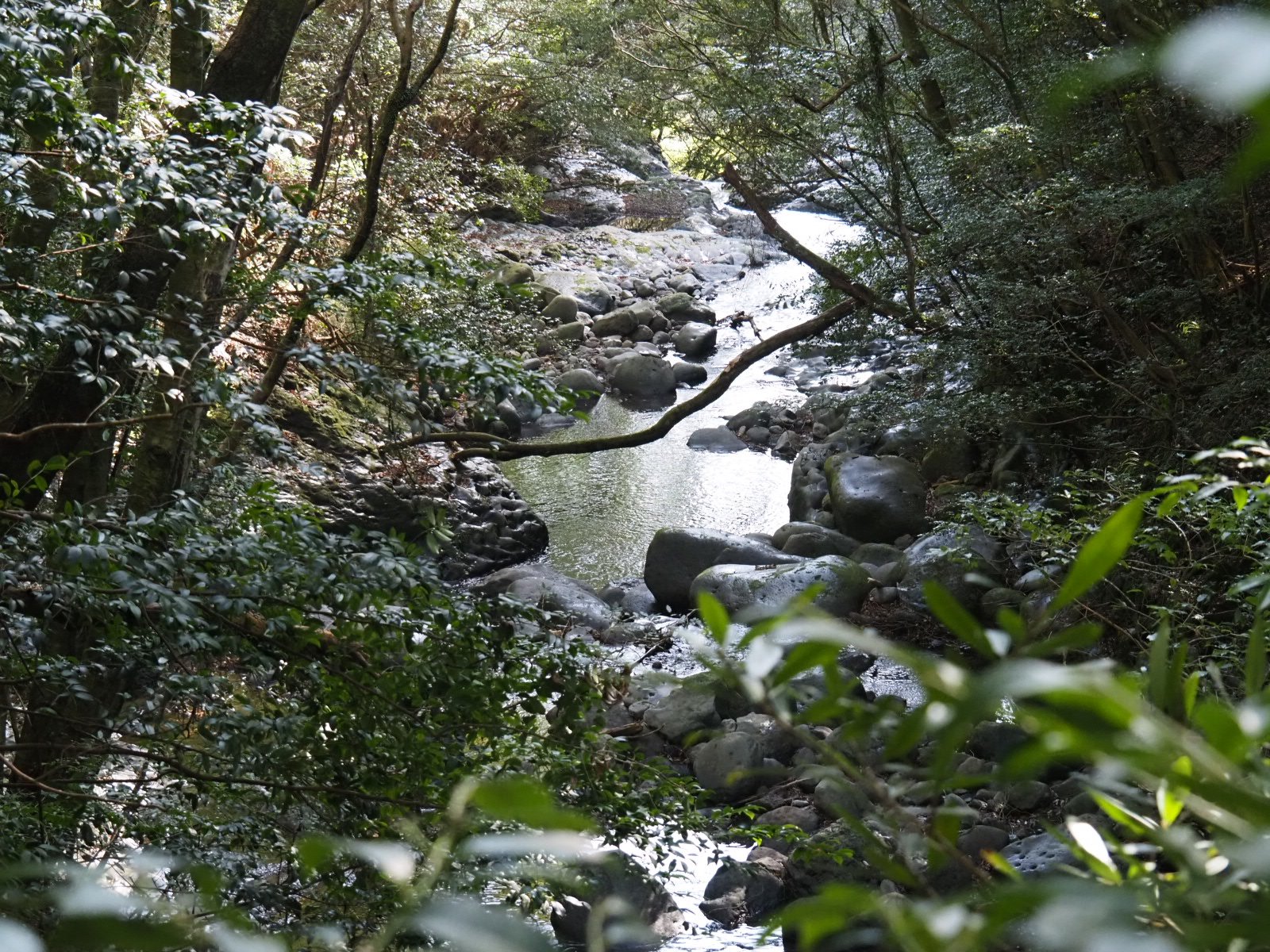
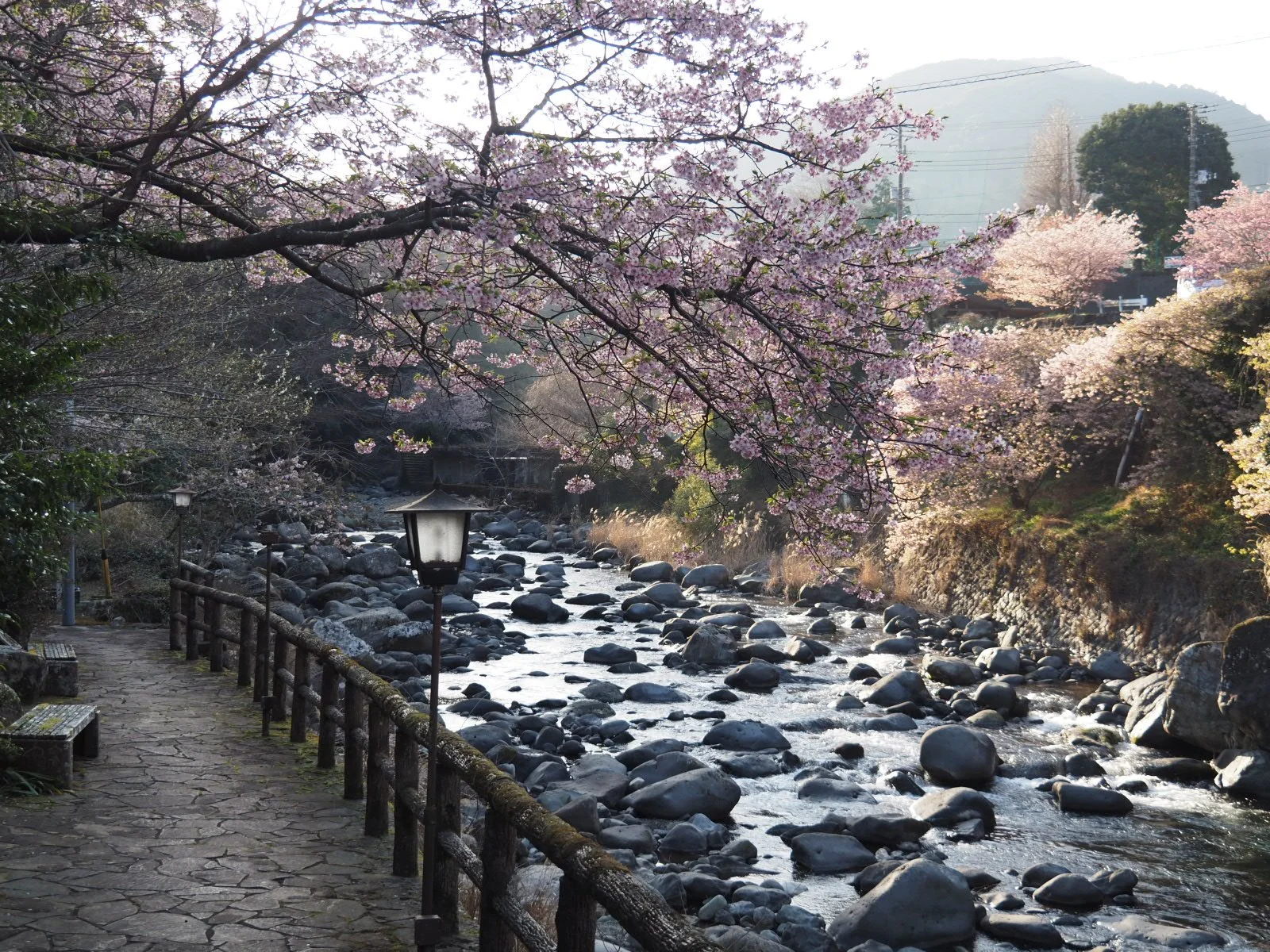
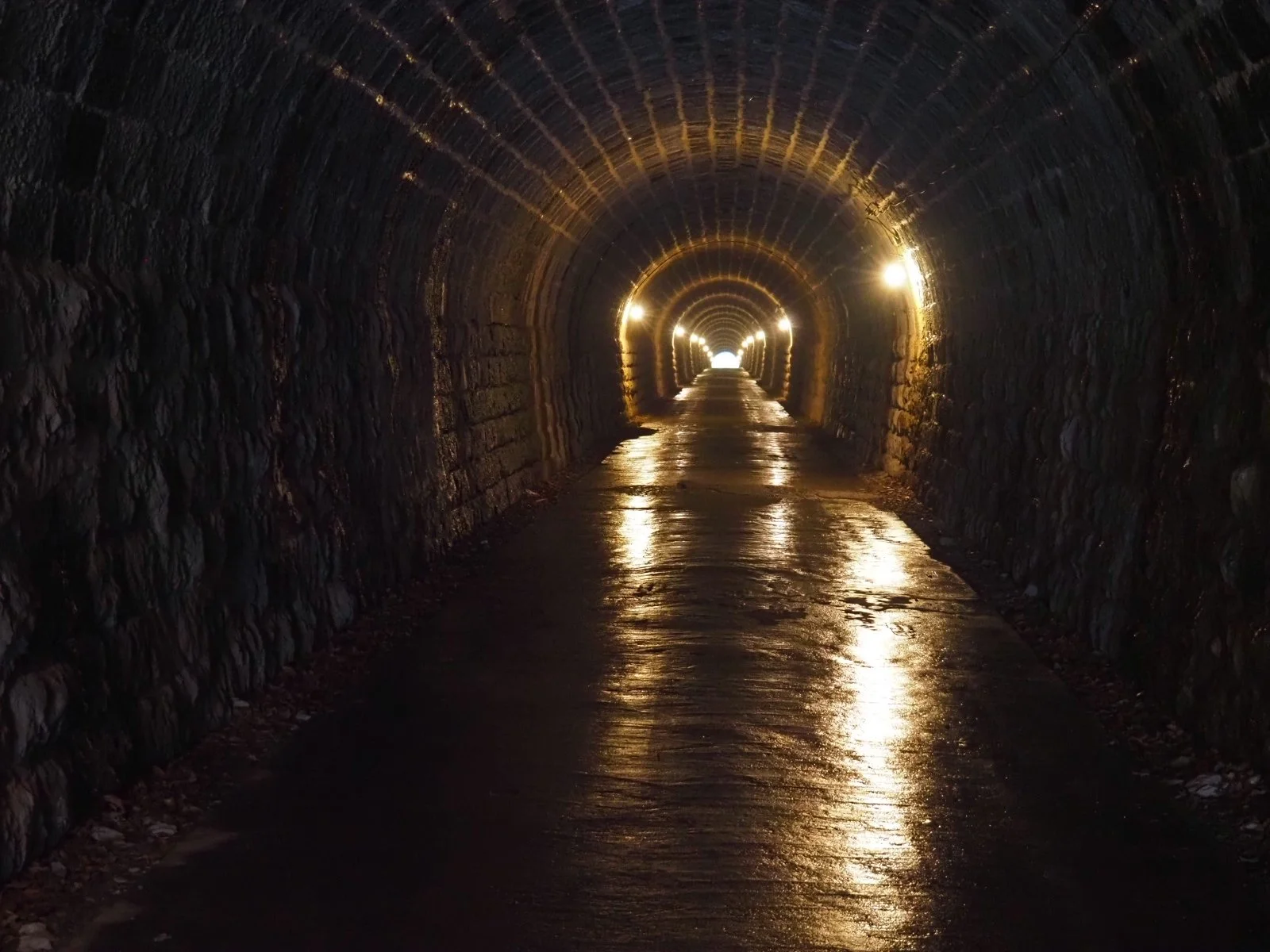
This is a trail with many names. The Shimoda Kaido (Shimoda Highway), The Amagiji (The Amagi Road), and of course, the name we have gone with here, the Odoriko Trail. It also has a long and interesting history. During the Edo period, the road was built in 1819 and connected the remote port town of Shimoda with Shuzenji and Mishima. Goods such as fish and seafood as well as timber from the mountains were transported to the Tokaido Road and then around the country. The trail was tough thanks to the volcanic, mountainous interior of Izu. The Amagi Pass was notoriously difficult. Eventually when the United States forced trade upon Japan near the end of the Edo period, Shimoda was home to the first American consulate and so western diplomats used the road too when coming and going to Edo. The road’s new name comes from Yasunari Kawabata’s masterpiece, The Dancing Girl of Izu (Izu no Odoriko), published in 1926. In the semi-autobiographical book, a young student travels the road and falls in love with a dancing girl from a group of travelling entertainers. The vagrant working girl interacting with a well educated boy was a political statement at the time. The book was a huge hit and eventually a timeless classic. It romanticises the ancient road and drives literary fans to Izu to this day. The book is excellent and a must read for anyone visiting Izu. I would also be remiss not to mention the Amagi Tunnel. Built in 1904, it was the longest arch stone tunnel in Japan when first built and transformed the road, cutting out the steep and exhausting Amagi Pass. Then in 1970 a new Amagi Tunnel was completed and the old tunnel fell out of use. The government pivoted to tourism and coined the new name of the road. Hikers and literary fans from across the country came to hike the Odoriko Trail.
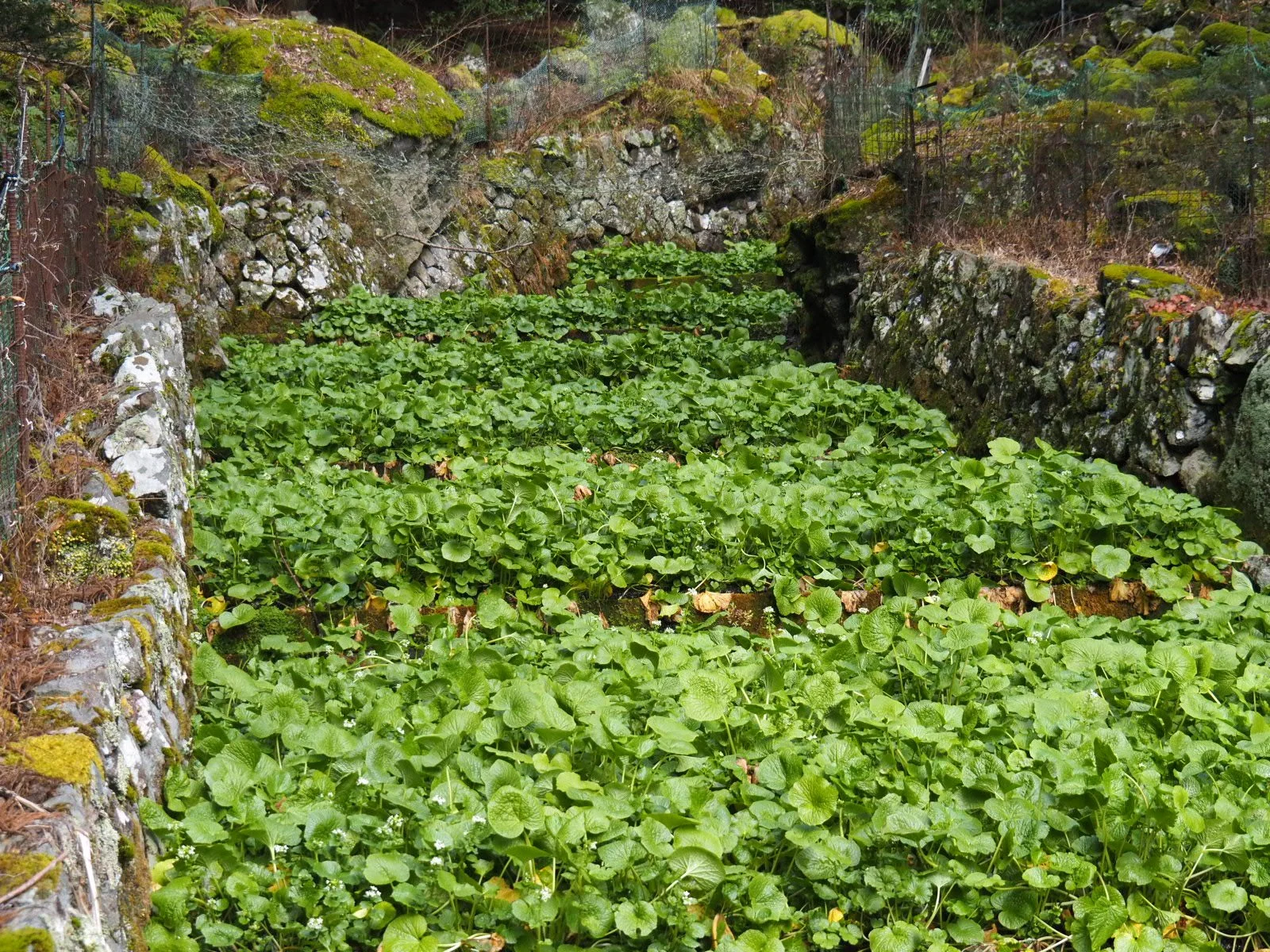
The trail is very quiet nowadays. Expect to see majestic ancient forests, an incredible amount of waterfalls, the haunted ancient “haunted” tunnel, and numerous wasabi farms. I myself once applied for a job to be a trainee wasabi farmer during the Covid pandemic. I sat down for a job interview in this very region of Izu. I didn’t get the job. C’est la vie! ! But walking through here I can't help but imagine what might have been. It takes around two years to harvest wasabi after planting. I have no patience. I think they made the right decision.
Another thing to mention is that this is a very long walk! Only very fast and strong hikers can take on the whole thing in one day. The trail is in excellent condition at the time of writing and so it is suitable for hikers of all abilities, but the distance makes it tough.
Anyone unable to hike very fast or do long distances, should cut the hike down. Here are some options:
Walk the full hike in one day. It is said to be 18.5km but I clocked 22.3km without any major detours other than the mandatory waterfalls. This hike is long and tough by almost anyone's standards. I have written about it as one trail to keep it simple. But this doesn’t mean I recommend it in one day. At least not for everyone.
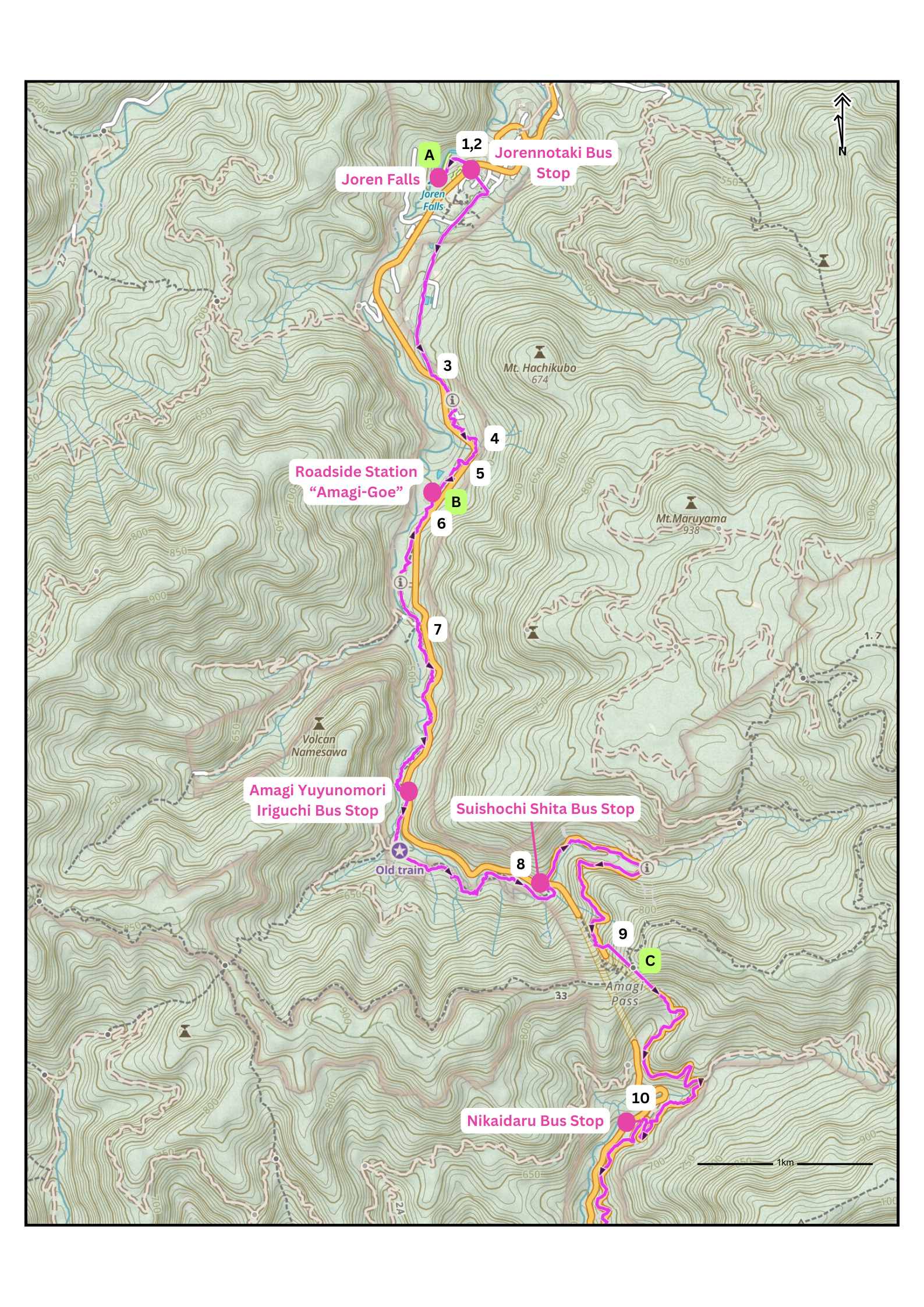
Chop the hike into two days. If cutting it into two days, I recommend hiking on day 1 from Jorennotaki (浄蓮の滝) Bus Stop (Joren Falls) to Nikaidaru (二階滝) Bus Stop. And on day 2 hiking from Nikaidaru Bus Stop to Yugano (湯が野) Bus Stop.
If you only have 1 day and can’t manage the full hike, I think the second day has the most highlights so again recommend Nikaidaru Bus Stop to Yugano Bus Stop (11km).
In the hike right up I will write it in two segments so you can decide what is right for you. The good thing is that the trail meets (or at least comes close to) several bus stops on the way so you can change the hike to match you on the day.
Hiking the Odoriko Trail
The hike begins at Jorennotaki Bus Stop, right next to Joren Falls. To visit the waterfall before starting the hike, walk through Car Park number 2 and head down the stairs. This is just a quick there and back before the hike really begins.
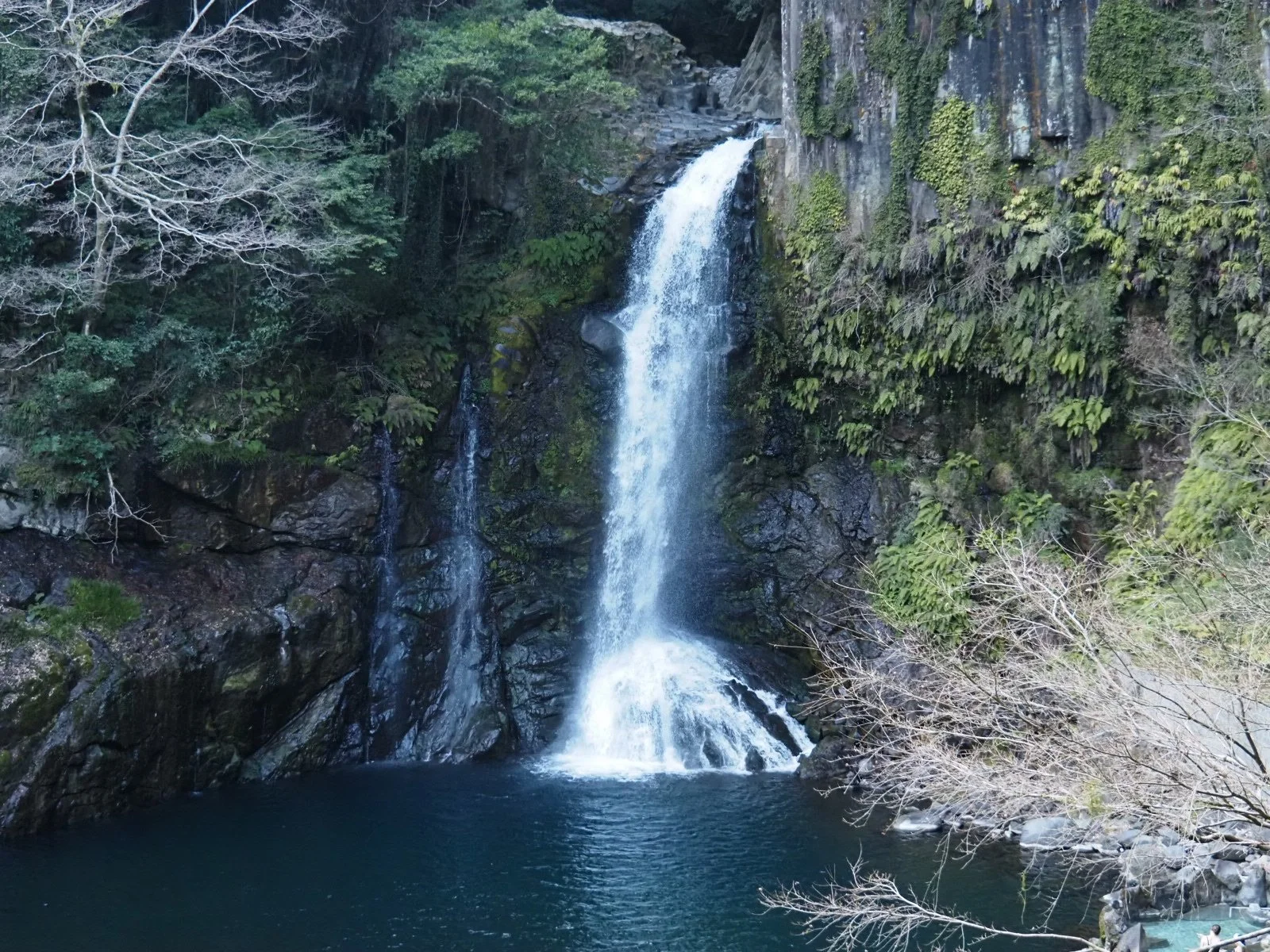
A. Joren Falls is a gorgeous 25m waterfall and is listed in Japan’s Top 100 Waterfalls. It has a rare type of fern, known as Joren Fern growing all around it. It is surrounded by wasabi farms, and you can even go fishing in the river below it. It also has a mythical story attached to it. Joro-gumo is a giant spider which has the ability to shape shift. It is said that one lives in the deep pool under the waterfall. One day a woodcutter dropped his axe into the water and a beautiful woman came out of the pool to return it to him. She asked him to never tell a soul that she lived there. The woodcutter drunkenly blurted out the secret to his friends one day. Depending on the version of the story, he either died right there and then, or was dragged into the pool by silk threads never to be seen again …